Why Preventative Dental Care for Kids Matters (And How to Make It Painless)
Why Parents Ask Me This Question
I hear it almost every week: "Dr. Khade, my child is only six. Do we really need to worry about dental care now? Their baby teeth are going to fall out anyway."
I get it. When you’re juggling school runs, activities, and a hundred other things, it’s easy to think dental care for kids can wait. But here’s what I’ve learned from working with families in Baner over the years: the habits and health you build in childhood don’t just affect baby teeth. They shape your child’s entire relationship with their mouth, their confidence, and their long-term dental health.
Let me walk you through why preventative care matters so much–and how we make it calm, clear, and actually enjoyable for kids.
What Preventative Dental Care for Kids Really Means
When I talk about preventative care, I’m not talking about complicated procedures or scary equipment. I’m talking about the simple, steady habits that keep teeth strong and stop problems before they start.
It breaks down into a few straightforward pieces:
Regular check-ups – Usually every six months, sometimes more often depending on your child’s age and what we see. These visits let me catch tiny issues (like early decay or crowding) before they become big ones.
Professional cleaning – We gently remove the buildup that toothbrushes can’t reach, especially around the gum line. Kids’ teeth can accumulate plaque just like adult teeth, and cleaning keeps gums healthy.
Fluoride applications – A simple, topical treatment that strengthens tooth enamel and makes teeth more resistant to decay. It’s painless and takes just a few minutes.
Dental sealants – These are thin, protective coatings we apply to the chewing surfaces of back teeth (molars). They fill in the tiny grooves where food and bacteria love to hide. For kids, they’re one of the most effective decay-prevention tools we have.
Guidance on brushing and flossing – We show your child (and you) the techniques that actually work, not just tell you to "brush better."
Why Baby Teeth Aren’t "Throwaway" Teeth
Here’s the thing people often get wrong: baby teeth aren’t temporary in the way a borrowed coat is temporary. They’re doing real, important work right now.
Baby teeth hold space for adult teeth. If a baby tooth decays and is lost too early, the teeth around it can shift and crowd into that gap. When the adult tooth tries to come in, there’s no room, and you end up with crooked teeth that might need braces later. Prevention now can save you thousands in orthodontics down the road.
Baby teeth also help your child chew properly, speak clearly, and smile without self-consciousness. A child with painful cavities doesn’t want to eat, might avoid certain foods (missing out on nutrition), and can feel embarrassed around friends.
And here’s something that surprised many parents I’ve spoken with: the bacteria and habits kids develop around their baby teeth often carry forward. If a child learns good brushing habits at age four, they’re far more likely to keep those habits at fourteen and forty.
The Real Cost of Skipping Prevention
I want to be honest with you: untreated decay in kids doesn’t just sit there quietly. It progresses.
A small cavity that we could have filled in ten minutes during a calm, preventative visit can become a deep infection that needs a root canal treatment–which is longer, more involved, and costs significantly more. An infected baby tooth can sometimes affect the developing adult tooth underneath it, causing permanent damage.
Beyond the clinical side, there’s the emotional cost. Many children I see who’ve had painful dental experiences develop real anxiety around dental visits. That anxiety can stick with them into adulthood, making them avoid the dentist altogether–which then leads to bigger problems.
Prevention isn’t just about teeth. It’s about protecting your child from unnecessary pain, expense, and dental fear.
Building a Routine That Actually Sticks
Here’s what I tell parents: preventative care only works if it becomes a habit, not a chore.
Start early – Even before the first tooth appears, you can gently wipe your baby’s gums with a soft cloth. Once teeth come in, a tiny soft toothbrush and water are all you need. No toothpaste until they can spit it out reliably (usually around age two).
Make it fun, not a battle – Let your child pick a toothbrush in their favorite color. Brush together so they see you doing it. Some families sing a song or set a timer for two minutes. The goal is to make it feel normal and positive.
Keep it simple – You don’t need fancy techniques. Gentle circles on the outer surfaces, inner surfaces, and chewing surfaces. Floss once a day (even if it’s just once). That’s genuinely enough.
Limit sugary foods and drinks – This is the biggest lever you have. Bacteria in the mouth feed on sugar, and the more often your child has sugary snacks or sips, the more acid attacks happen on the teeth. Water and milk are your friends; juice and soda are the opposite.
Regular visits – Bring your child in every six months, starting around age one or when the first tooth appears. These visits normalize the dental environment and let us catch issues early.
What to Expect at a Pediatric Dental Visit
Many parents worry that their child will be scared or uncooperative. I understand that worry–I see it in their faces when they walk in.
Here’s what actually happens at our clinic:
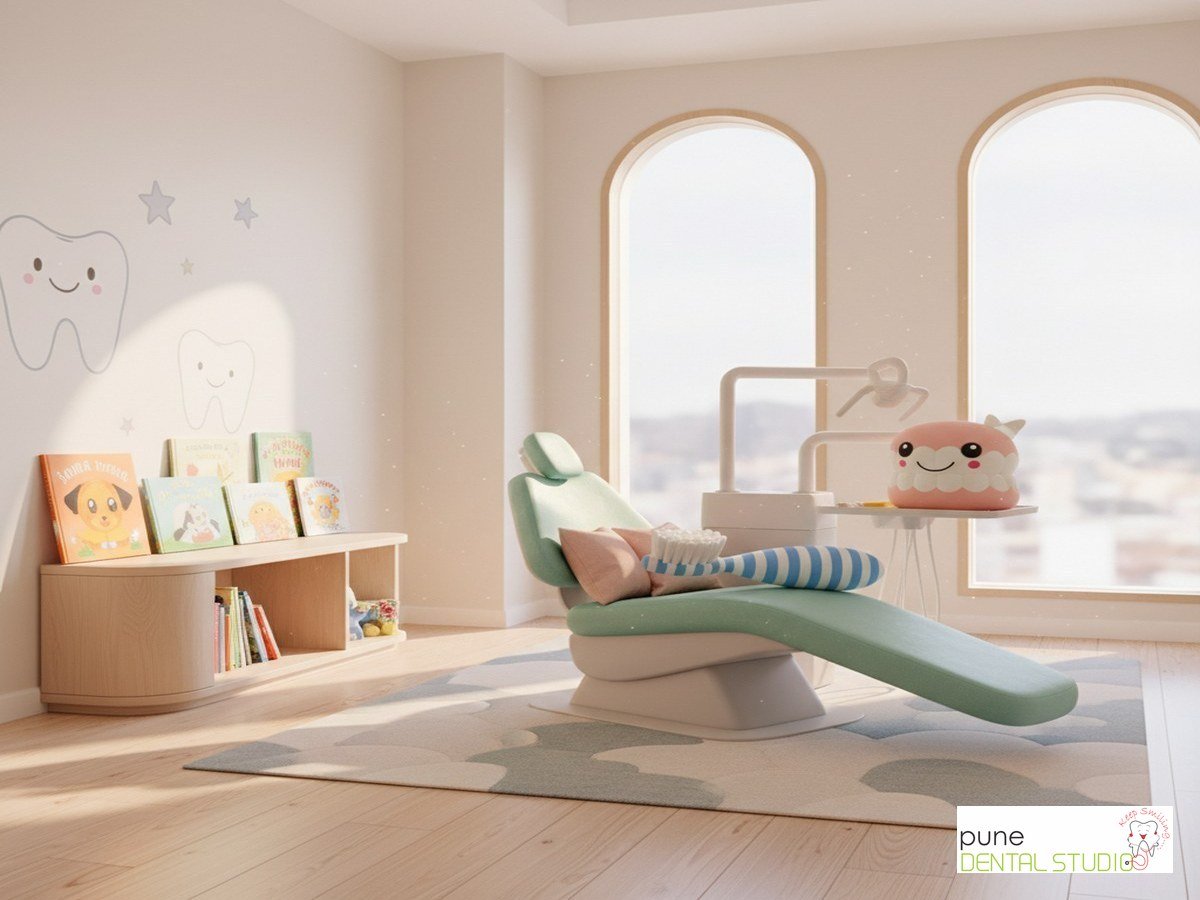
We meet your child in a calm, welcoming space. There’s no harsh lighting or that clinical "dental smell" that triggers anxiety. We take time to explain what we’re going to do in simple, honest language. "I’m going to use a tiny mirror to look at your teeth. It might feel a bit cold, and you might hear some water sounds, but it won’t hurt."
We let your child set the pace. If they need a break, we pause. If they want to see what we’re doing on a screen, we show them. This isn’t about rushing through; it’s about building trust.
For cleaning, we use gentle tools and explain each step. For fluoride, it’s just a quick rinse–tastes a bit like fruit, takes seconds. For sealants, there’s no injection, no drilling, just a careful application of protective coating.
And throughout, we’re talking to your child directly, not over their head. We validate their feelings. "I know you’re a bit nervous. That’s totally okay. You’re doing great."
Nutrition and Dental Health Go Hand in Hand
What your child eats shapes their teeth just as much as how they brush.
Calcium and phosphorus (from milk, yogurt, cheese, leafy greens) build strong enamel. Vitamin D helps the body absorb that calcium. Crunchy fruits and vegetables like apples and carrots naturally clean teeth as your child chews.
On the flip side, constant snacking–especially on crackers, dried fruit, or anything sticky–keeps the mouth in an acidic state. The bacteria never get a break, and the teeth never get a chance to remineralize.
I’m not saying never let your child have a treat. I’m saying be intentional about when they have it. A piece of chocolate after lunch is better than sipping juice all afternoon. Sweets after a meal (when saliva is flowing) are less damaging than sweets as a standalone snack.
Signs That Your Child Needs to See Us Soon
Preventative care is the goal, but sometimes kids do develop problems. Watch for:
- Visible dark spots or white chalky areas on teeth
- Complaining of tooth pain or sensitivity
- Swelling or redness in the gums
- Bad breath that doesn’t go away after brushing
- Difficulty chewing or eating on one side
- Teeth that look loose or out of place
- Reluctance to brush or eat because of discomfort
Any of these warrant a visit. The earlier we see them, the simpler the solution.
The Long View: Why This Matters Beyond Teeth
When I work with kids, I’m not just thinking about their teeth right now. I’m thinking about the teenager who walks into a room confident because their smile is healthy. The young adult who doesn’t have dental anxiety holding them back from care. The parent who models good habits for their own children one day.
Preventative dental care for kids is an investment in their health, their confidence, and their future relationship with self-care. It’s one of the most powerful things you can do as a parent–and it’s also one of the simplest.
Frequently Asked Questions
When should my child have their first dental visit? Around age one, or when the first tooth appears. Early visits help your child get comfortable with the environment and let us catch any issues early.
Is fluoride safe for kids? Yes. The amount we use in professional applications is carefully measured and safe. Fluoride strengthens enamel and is one of the most effective tools we have for preventing decay.
How often should my child brush? Twice a day–morning and night. Once they can spit (usually around age two), use a pea-sized amount of fluoride toothpaste.
What if my child is really anxious about the dentist? We take that seriously. We work at your child’s pace, explain everything clearly, and use calming techniques. Many anxious kids become comfortable over time because we never rush them or make them feel pressured.
Do kids really need sealants? For most kids, yes–especially on back molars, which are hardest to clean. They’re a simple, painless way to prevent decay in the most vulnerable spots.
What’s the best age to start flossing? Around age two or three, once there are teeth touching each other. You’ll help them at first; they’ll gradually learn to do it themselves.
Let’s Build Healthy Habits Together
Preventative dental care for kids isn’t complicated or scary. It’s about small, consistent habits that protect teeth, build confidence, and set your child up for a lifetime of good oral health.
If you’re in Baner and want to start (or restart) your child’s preventative care routine, we’d love to meet you both. We’ll take the time to understand your child’s needs, answer all your questions, and create a plan that works for your family–no pressure, no surprises, just calm, clear care.
Reach out whenever you’re ready. We’re here to help your child smile with confidence.
Updated on 8 Oct 2026
Dentistry that feels like a deep breath.
See it for yourself – your first visit is a conversation, not a commitment.
Book a Visit